




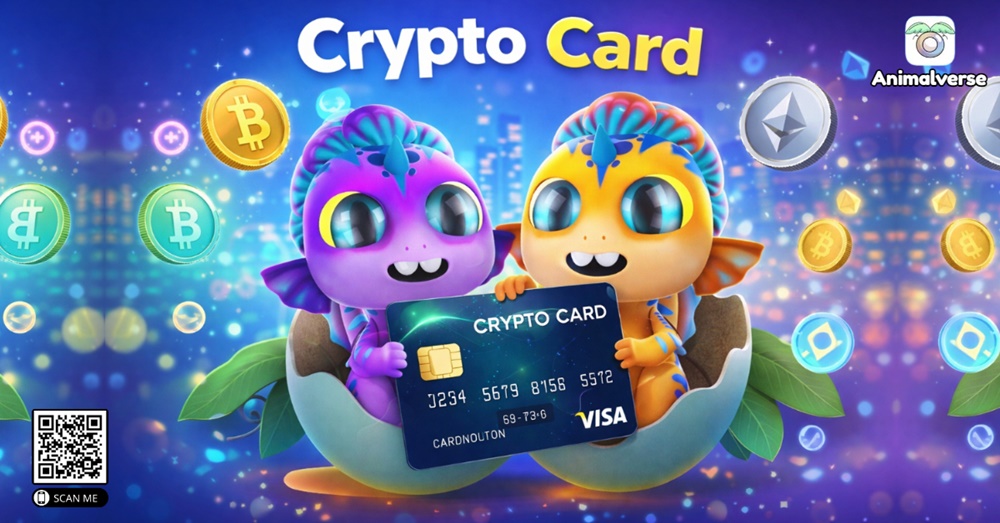
The rapid evolution of cryptocurrency has transformed how people think about money, payments, and financial freedom. As digital assets like Bitcoin, Ethereum, and stablecoins become more mainstream, users increasingly seek practical ways to spend their crypto in everyday life. This demand has given rise to one of the most powerful financial innovations in the crypto ecosystem: the crypto card.
A crypto card bridges the gap between blockchain technology and traditional payment systems. It allows users to pay for goods and services using cryptocurrencies while merchants receive payments in fiat currency. This seamless integration makes crypto cards a critical tool for mass adoption.
In this comprehensive guide, we will explore everything you need to know about crypto cards, including how they work, their benefits, risks, fees, and their future role in global finance.
Table of Contents

Introduction to Crypto Cards
The rapid evolution of cryptocurrency has transformed how people think about money, payments, and financial freedom. As digital assets like Bitcoin, Ethereum, and stablecoins become more mainstream, users increasingly seek practical ways to spend their crypto in everyday life. This demand has given rise to one of the most powerful financial innovations in the crypto ecosystem: the crypto card.
A crypto card bridges the gap between blockchain technology and traditional payment systems. It allows users to pay for goods and services using cryptocurrencies while merchants receive payments in fiat currency. This seamless integration makes crypto cards a critical tool for mass adoption.
In this comprehensive guide, we will explore everything you need to know about crypto cards, including how they work, their benefits, risks, fees, and their future role in global finance.
What Is a Crypto Card?
A crypto card is a payment card that allows users to spend cryptocurrencies in the same way they would use a debit or credit card. These cards are typically linked to a crypto wallet or exchange account and automatically convert digital assets into fiat currency at the point of sale.
Crypto cards often come in the form of:
- Crypto debit cards
- Prepaid crypto cards
- Virtual crypto cards
Most crypto cards are powered by major payment networks such as Visa or Mastercard, making them usable at millions of merchants worldwide.
Key Characteristics of Crypto Cards
- Linked to cryptocurrency balances
- Instant crypto-to-fiat conversion
- Works globally where card payments are accepted
- Often includes rewards or cashback in crypto

How Crypto Cards Work
Understanding how crypto cards work is essential for both beginners and advanced users. Despite their advanced technology, crypto cards are designed to be user-friendly.
Step-by-Step Process
- User loads crypto into a supported wallet or exchange
- Card is linked to the crypto account
- Payment is initiated at a merchant terminal
- Crypto is converted into fiat currency instantly
- Merchant receives fiat, not crypto
- Blockchain settlement occurs in the background
This process happens within seconds, offering the same convenience as traditional cards.
Types of Crypto Cards
Crypto Debit Cards
Crypto debit cards are the most common type. They deduct funds directly from the user’s crypto balance when a transaction is made.
Prepaid Crypto Cards
Users preload a certain amount of crypto or fiat value onto the card. Spending is limited to the preloaded amount.
Virtual Crypto Cards
These cards exist digitally and are primarily used for online shopping, subscriptions, and digital services.
Crypto Card vs Traditional Debit and Credit Cards
| Feature | Crypto Card | Debit Card | Credit Card |
|---|---|---|---|
| Uses Cryptocurrency | Yes | No | No |
| Requires Bank Account | No (Usually) | Yes | Yes |
| Global Accessibility | High | Medium | Medium |
| Rewards | Crypto Cashback | Limited | Yes |
| Settlement Speed | Instant | Instant | Delayed |
Crypto cards offer a unique advantage by eliminating the need for traditional banking infrastructure.
Benefits of Using a Crypto Card
1. Spend Crypto Anywhere
Crypto cards allow users to use digital assets in everyday transactions, from grocery shopping to travel bookings.
2. Faster Global Payments
Crypto cards eliminate currency exchange barriers and reduce international transaction friction.
3. Crypto Rewards and Cashback
Many crypto cards offer cashback rewards paid in Bitcoin or other cryptocurrencies.
4. Financial Inclusion
Crypto cards provide access to digital payments for unbanked populations.
5. Portfolio Flexibility
Users can hold, convert, and spend multiple cryptocurrencies through a single card.
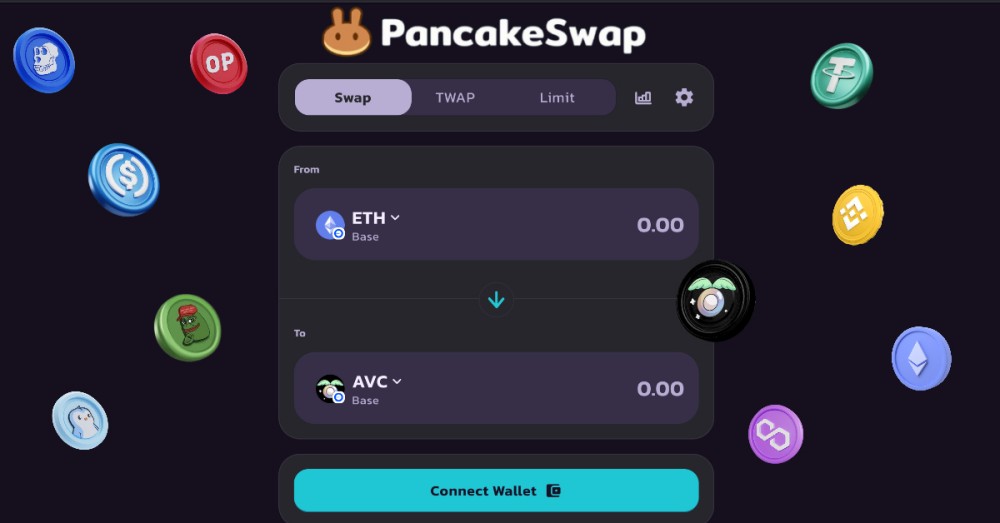
Risks and Limitations of Crypto Cards
Despite their advantages, crypto cards are not without risks.
Market Volatility
Cryptocurrency prices fluctuate rapidly, which can affect spending power.
Regulatory Restrictions
Some regions restrict or regulate crypto card usage.
Transaction Fees
Conversion and withdrawal fees may apply.
Limited Crypto Support
Not all cryptocurrencies are supported by every card provider.
Fees Associated With Crypto Cards
Common fees include:
- Card issuance fees
- Monthly maintenance fees
- Crypto-to-fiat conversion fees
- ATM withdrawal fees
- Foreign transaction fees
Understanding these fees is essential before choosing a crypto card.
Security and Regulation
Crypto cards employ advanced security measures such as:
- Two-factor authentication (2FA)
- EMV chip technology
- Cold wallet storage
- KYC and AML compliance
Regulation varies by country, but most providers follow strict financial compliance standards.
Best Use Cases for Crypto Cards
- Daily spending
- International travel
- Online shopping
- Subscription services
- Freelancers receiving crypto payments

Crypto Cards and Global Adoption
As cryptocurrencies gain acceptance, crypto cards are becoming a gateway for mainstream adoption. They allow users to interact with the existing financial system without abandoning decentralized assets.
Conclusion
Crypto cards represent a powerful fusion of traditional finance and blockchain innovation. By enabling seamless crypto payments worldwide, they are accelerating the transition toward a digital-first economy.
Top 5 Best Crypto Cards of Interest
According to the latest data from many areas, top 5 best crypto card are the most outstanding with reasons.
No.1 Crypto.com Visa Card
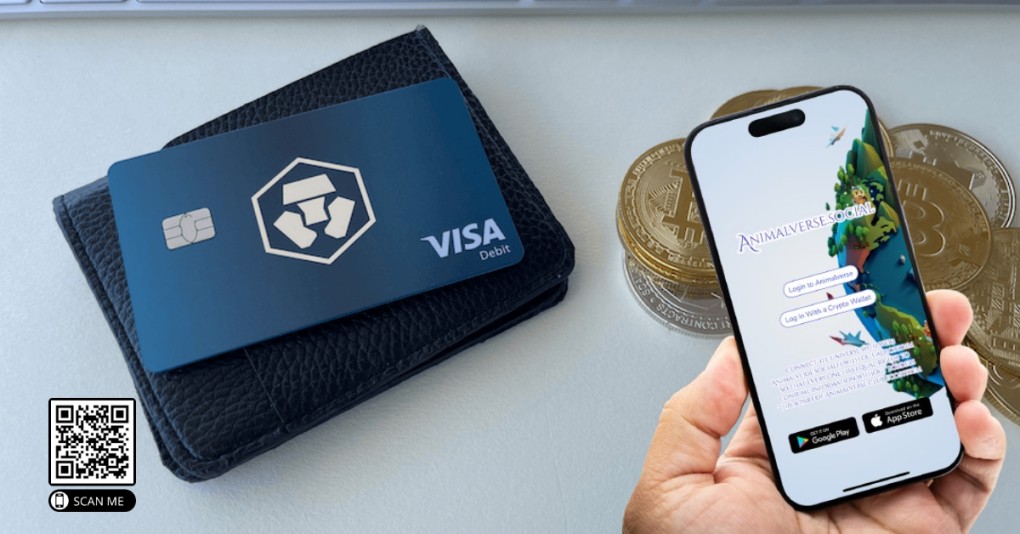
The Crypto.com Visa Card is a prepaid card issued by Crypto.com, tied to a CRO token as staking/lock-up, offering benefits such as rewards, cashback, and privileges for higher-tier members.
Highlights of Crypto.com Visa Card
- Rewards / Cashback
You will receive cashback/rewards in CRO tokens when you spend on your card in categories such as everyday purchases, travel spending, subscription rebates (e.g. Netflix, Spotify), etc. - Multi-tier (card tiers / card-levels)
There are different card tiers such as Midnight Blue, Ruby Steel, Jade Green, Royal Indigo, Icy White, Rose Gold, Obsidian, etc. Each tier requires different CRO token staking/lock-up requirements, and the benefits (cashback/free services/lounge access, etc.) vary according to the tier. - No monthly/yearly fees (for some levels/when conditions are met)
Some levels do not require annual/monthly fees if you stake your CRO coins as specified. - Additional services / Rebate / Special privileges
Such as rebates for subscriptions (Netflix, Spotify), airport lounge access, privileges to attend events, etc.
Weaknesses of Crypto.com Visa Card
- CRO tokens must be staked to earn tiered rewards; some countries may have issuance restrictions/variable fees; rewards are reduced on some tiers.
Who is the Crypto.com Visa Card suitable for?
Existing Crypto.com users want a card with good rewards and the ability to take advantage of staking.
No.2 Bybit Card
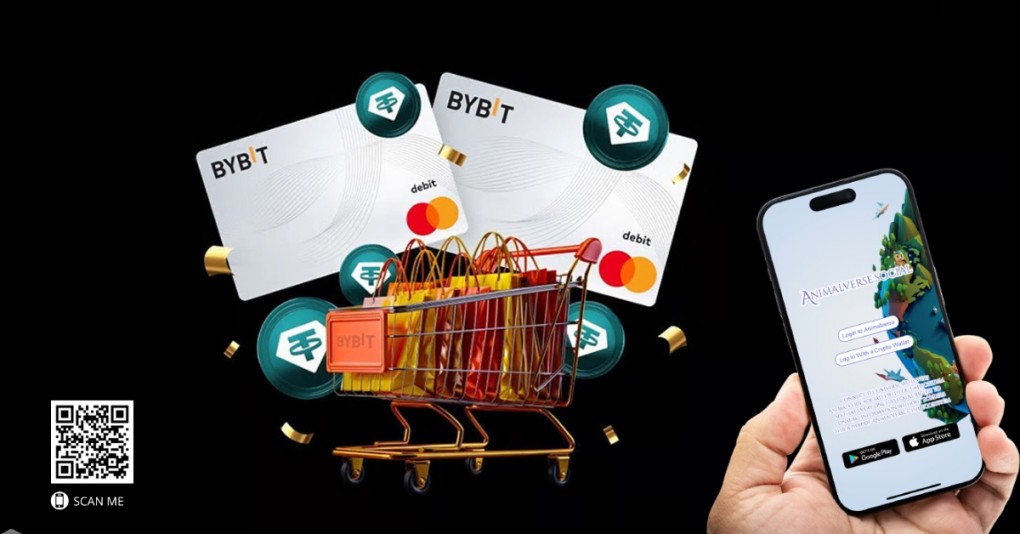
The Bybit Card is a debit/prepaid card linked to your Bybit account that allows you to spend directly with fiat or crypto. The system will convert crypto to fiat at the point of purchase as specified. If there is insufficient fiat in the account, it will withdraw from the user’s chosen crypto in the order (“preferred crypto”) and convert at a rate subject to a conversion fee.
Cards are available in virtual (used online) and physical (used in card-accepting stores, POS, contactless) formats, depending on the country and user requirements.
Highlights of Bybit Card
- Cashback / Rewards
Earn cashback/reward points when you spend with your card, depending on the user’s VIP level — starting at ~2% and potentially going as high as ~10%. - Multiple cryptocurrencies supported
You can choose to use multiple cryptocurrencies such as BTC, ETH, USDT, USDC, XRP, TON, etc. as a reserve fund to pay in case fiat is insufficient. - No annual fee / No monthly inactivity fee
No annual fees or maintenance fees in many regions - Virtual card issued immediately
Once you have applied and your KYC is complete, you can use your virtual card for online payments. - Supports contactless/online stores and POS
Physical cards, if available, will support contactless use and be used at ≈ 90 million Mastercard-accepting merchant locations worldwide. - Auto-Savings / Interest on balance
There is a feature to “hold money” or keep it in an interest-earning account (APY) when not spent immediately (idle money).
Weaknesses of ByBit Card
- Country/region restrictions may apply; VIP/high spending requirements for maximum cashback; some may incur conversion/ATM withdrawal fees.
Who is the Bybit Card suitable for?
Traders on Bybit or use Bybit as their primary wallet and want a card that offers high rewards.
No.3 Wirex Card
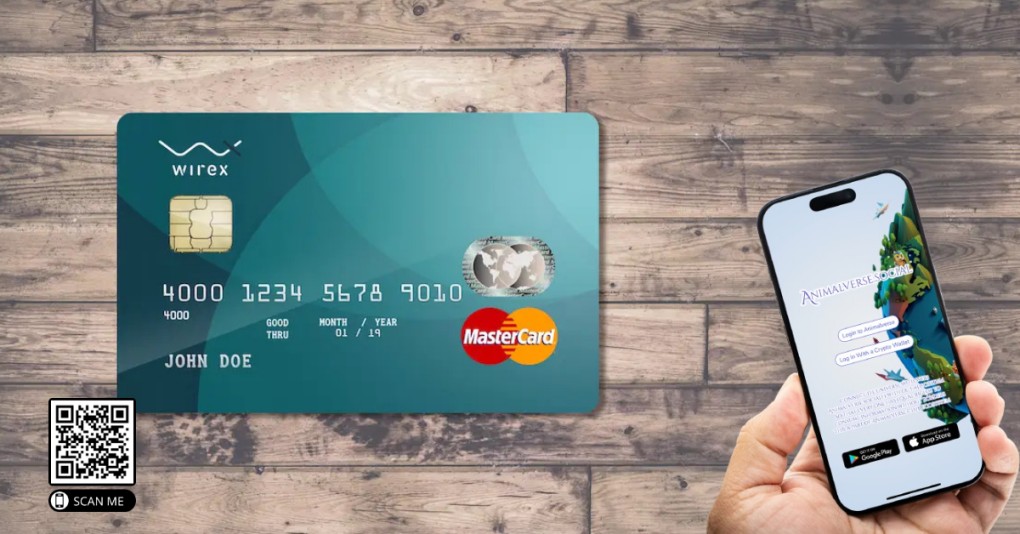
Wirex Card is a debit/prepaid card linked to your Wirex account that supports both fiat and cryptocurrencies. It converts crypto to fiat in real-time when you make purchases (point-of-sale) or at an ATM, depending on country conditions. The card is available in both virtual (online) and physical (physical) versions, depending on local availability.
Highlights of Wirex Card
- Support multiple currencies
You can hold multiple fiat currencies and cryptocurrencies in your Wirex account and choose which ones to spend, or have the system automatically convert crypto to fiat at the point of purchase. - Cryptoback™ Rewards – Cashback in Crypto
Get cashback in the form of WXT tokens when you spend on your card—the percentage depends on the plan you subscribe to, e.g. Standard / Premium / Elite, up to around 8%. - No FX (foreign exchange) fees / No annual fees
For many countries, Wirex has no fiat currency conversion fees or annual fees for using the card, if you are on the right plan and meet the conditions. - Withdraw some money from ATMs for free
There is a free monthly withdrawal limit (worldwide), such as approximately US$200 before fees start (in many countries). - Control and security in the app
There is a card lock/unlock system via app, identity verification (KYC), transaction notifications, etc.
Weaknesses of Wirex Card
- Some countries may have hidden fees; rewards may be lower compared to other card maximums; some tiers require conditions to be met to qualify.
Who is the Wirex Card suitable for?
People who regularly mix fiat + crypto and want a flexible, multi-sided card.
No.4 Nexo Card
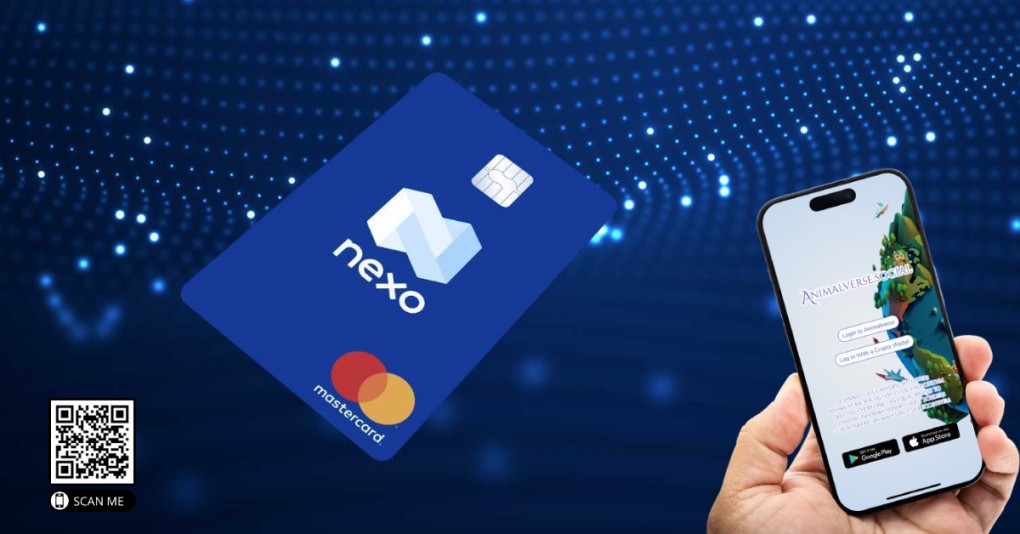
Nexo Card is a crypto-backed payment card issued by Nexo in partnership with Mastercard/DiPocket in Europe (EEA). It features Dual Mode capabilities — switching between Credit Mode and Debit Mode within the Nexo app without having to sell your crypto when spending (in Credit Mode), allowing you to preserve your crypto assets while still being able to spend as usual.
Highlights of Nexo Card
- Dual Mode (Credit + Debit)
Credit Mode: Use a credit line established by Nexo, using crypto as collateral to spend without selling crypto.
Debit Mode: Use your fiat/stablecoin or crypto prioritized balance in your account to convert to fiat at the point of purchase, in the order you set. - Cashback / Rewards
Cashback is earned in NEXO tokens or in some cases Bitcoin depending on the Loyalty Tier (Base, Silver, Gold, Platinum). For example, Base might earn around 0.5% (NEXO) /0.1% (BTC) while Platinum earns higher. - No annual or inactivity fees
No annual account maintenance fee, no inactivity fee for cardholders. - Credit limit & usage/withdrawal limits
There are maximum purchase/spending limits (transaction/daily/monthly) such as up to approximately €10,000 per transaction/day/month depending on the mode and tier; ATM withdrawals have a free monthly limit based on the tier before fees are charged when the limit is exceeded. - FX/Foreign Exchange Fees
If spending in a currency other than the card’s currency (usually EUR or GBP), there is a conversion fee (FX fee), usually 0.2% on weekdays for EEA/UK/CH currencies and higher (~2%) for non-EEA/UK/CH currencies; if spending on weekends, there may be an additional ~0.5%. - App control capabilities
You can create virtual cards, freeze/unfreeze cards, change PINs, set crypto/fiat priority, monitor transactions in real time, etc.
Weaknesses of Nexo Card
- Interest/processing fees may apply if calculated on credit; region/availability restrictions apply in some countries; be careful if crypto prices drop significantly — collateral may be risky.
Who is the Nexo Card suitable for?
People hodling crypto want to use it instead of selling it, to reduce tax consequences or avoid selling at a low price.
No.5 KAST Card
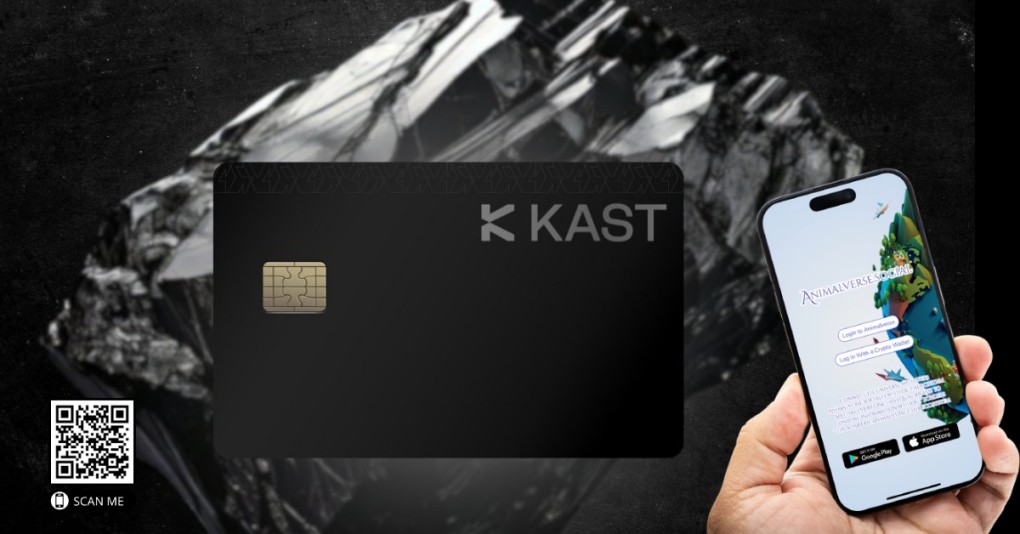
KAST (sometimes referred to as “KAST Card”) is a payment card primarily focused on stablecoins such as USDC, USDT (and USDe), and is designed for crypto/Web3 users, frequent travelers, or those in countries where traditional banking is less accessible. KAST offers:
- Virtual card — a virtual card for online spending, linked to Apple Pay / Google Pay
- Physical card — A physical card used at Visa-accepting merchants, POS, and ATMs (depending on the country).
And there are different tiers to offer different benefits depending on the card level, such as K Card, X Card, Solana variants (Solana Card, Illuma, Gold, Solid Gold), etc. This means you can choose whether you want a regular card or a premium card with higher benefits.
Highlights of KAST Card
- Use stablecoins directly
You can deposit USDC/USDT/USDe into your KAST account and spend directly — when you spend, the stablecoin is converted to USD (or the currency of your choice) in real time at the point of purchase, reducing your exposure to crypto price volatility compared to holding crypto that fluctuates in price. - Cashback / rewards
Every spend on the card earns “KAST Points” (which will eventually be converted to KAST tokens) as cashback depending on the card tier, with premium or “staking” tiers (based on SOL, if applicable) earning more rewards. - There are many types/levels of cards.
The main tiers range from the entry-level K Card, a Solana-only card (if you hold SOL) with a staking bonus, and a premium tier with additional features (more premium card materials, privileges, concierge service, etc.). - International support
Use your Visa card, which is accepted at many merchants worldwide (online/offline merchants).
Partially supports Apple Pay / Google Pay
Ability to deposit stablecoins across multiple blockchain networks (multi-chain) - Can be used without a bank account
Users can apply for/open a KAST account without a bank account in certain countries or situations, which helps people without access to banking better.
Weaknesses of KAST Card
- Premium tiers may have high fees; best cashback/perks require staking/holding large amounts of coins; some countries may not easily accept physical cards.
Who is the KAST Card suitable for?
People who are ready to invest (stake/hold) and want more perks than just regular cashback and use the card in multiple countries.
Top 5 Best Crypto Cards Summary
In 2025, the top five crypto cards are the Crypto.com Visa Card, which boasts perks and offers up to 5% cashback; the Bybit Card, which is easy to use and connects to your trading account with rewards of up to 10%; the Wirex Card, which supports multiple currencies and offers up to 8% cashback; the Nexo Card, which allows you to pay without selling crypto and offers cashback in BTC or NEXO; and the KAST Card, which allows you to directly use stablecoins and offers rewards of up to 12%, perfect for modern crypto users who want to connect their digital assets with their everyday spending.
Reference: https://animalverse.social/top-5-best-crypto-card/
Join our gang by purchasing the Animalverse Club NFT, which is the key to accessing a ton of benefits.
Animalverse SoicialFi is a web3 social media platform designed to connect users around the world without the influence of algorithms, promoting equal access to information. The platform aims to create a decentralized environment where users can freely share and consume content and send crypto, which is fully consistent with the principles of blockchain technology. Let’s be a part of AVC ecosystem Community BlackMarketplace Groups Games Jobs Financial Blog News
Frequently Asked Questions (FAQ) About Crypto Cards
What is a crypto card?
A crypto card is a payment card that allows users to spend cryptocurrencies like Bitcoin, Ethereum, or stablecoins at merchants that accept traditional debit or credit cards. The crypto is automatically converted into fiat currency at the time of purchase.
How does a crypto card work?
A crypto card works by linking your cryptocurrency wallet or exchange account to the card. When you make a payment, the crypto is instantly converted into fiat currency, and the merchant receives fiat, not cryptocurrency.
Is a crypto card the same as a debit card?
Not exactly. While a crypto card functions similarly to a debit card, it uses cryptocurrency instead of fiat money as the funding source. Traditional debit cards are linked directly to bank accounts.
Can I use a crypto card anywhere?
Most crypto cards are issued through major payment networks like Visa or Mastercard, meaning they can be used at millions of merchants worldwide where those cards are accepted.
What cryptocurrencies are supported by crypto cards?
Supported cryptocurrencies vary by provider but commonly include Bitcoin (BTC), Ethereum (ETH), Animalverse Club (AVC) stablecoins (USDT, USDC), and sometimes altcoins like BNB or SOL.
Do merchants receive cryptocurrency when I pay?
No. Merchants receive fiat currency. The crypto-to-fiat conversion happens instantly in the background during the transaction.
Are crypto cards safe to use?
Yes, reputable crypto card providers use advanced security features such as two-factor authentication (2FA), encryption, EMV chips, and compliance with KYC and AML regulations.
What fees are associated with crypto cards?
Common fees include card issuance fees, monthly maintenance fees, crypto conversion fees, ATM withdrawal fees, and foreign transaction fees. Fees vary depending on the provider.
Can I withdraw cash using a crypto card?
Yes, most crypto cards allow ATM withdrawals. Your cryptocurrency is converted to fiat before the cash is dispensed, and ATM fees may apply.
Do crypto cards offer rewards or cashback?
Many crypto cards offer rewards such as cashback paid in cryptocurrency, often ranging from 1% to 5%, depending on the card and usage level.
Are crypto cards legal?
Crypto cards are legal in many countries, but regulations vary by region. Some countries have restrictions or additional compliance requirements, so users should check local regulations.
Do I need a bank account to use a crypto card?
In most cases, no traditional bank account is required. However, users usually need to complete identity verification (KYC) with the card provider.
What happens if the crypto price changes after I pay?
Once a transaction is completed, the conversion rate is locked in at the time of payment. Price changes after the transaction do not affect the completed purchase.
Are crypto cards suitable for beginners?
Yes. Crypto cards are designed to be user-friendly and work like traditional cards, making them an easy entry point for beginners to start using cryptocurrency in daily life.
What is the future of crypto cards?
The future of crypto cards looks promising as global crypto adoption grows. They are expected to offer more supported assets, better rewards, lower fees, and deeper integration with digital finance ecosystems.